Welcome to our Used Car Market Research Wake NC resource. If you are shopping pre owned in Raleigh, Cary, Apex, Garner, or Wake Forest, understanding the local market can save time and money. This page explains how prices move across Wake County, which features add value, how mileage and condition shape fair pricing, and how to compare listings the right way. We also show how to read supply trends, recognize seasonal patterns, and estimate total ownership costs before you visit the lot. Browse real examples, see how our sold data can inform your budget, and learn what to bring to a test drive. When you are ready, explore our current options on used inventory and review flexible financing resources tailored for Wake County shoppers. Use this page as your step by step plan to buy with confidence and clarity.
Explore the latest local listings on used-inventory, review recent sales on sold-inventory, and learn about financing choices on used-car-financing-wake-nc.
Research is the difference between a guess and a great deal. Here you will find practical methods that anyone can follow, from identifying fair value and comparing trim levels to budgeting for taxes and recurring maintenance. Use our Wake County focused guidance to spot strong candidates, validate prices with real data, and prepare for a confident test drive and inspection. For more insights, visit our blog and get to know our team on about-us.
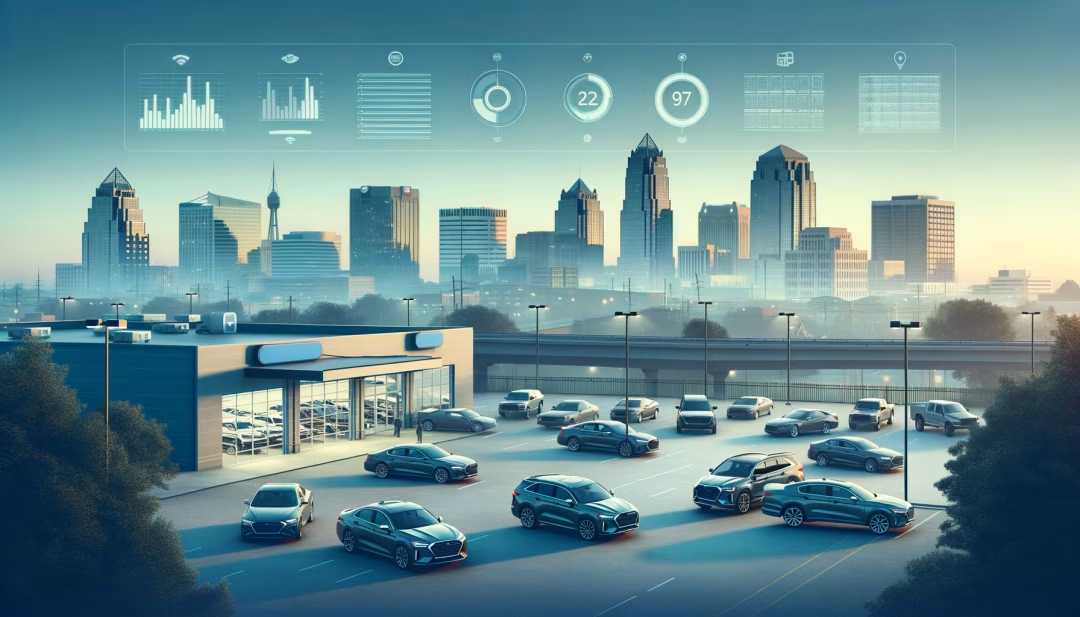
Wake County is one of the most active used car markets in North Carolina. With commuters traveling between Raleigh, Cary, Apex, Garner, and Research Triangle Park, demand for reliable sedans, compact SUVs, and light trucks is steady year round. Because many shoppers target the same popular models, small differences in mileage, trim, options, service records, and ownership history can move prices noticeably. Solid market research helps you compare similar vehicles apples to apples, understand what is a premium vs what is a commodity, and avoid overpaying for features you do not need.
Local supply conditions also matter. When lease returns and trade ins rise, you may see more choices at specific price points. During peak tax refund season, demand often increases and clean title, low mile units can sell faster. Using the methods below, you can match your purchase timing and model choice to current Wake County conditions and secure better value.
Fair value is not a single number. It is a range informed by local supply, vehicle condition, verified history, mileage, options, color, and reconditioning quality. Start by gathering recent comparable listings and recently sold examples. Then adjust for each vehicle trait that adds or subtracts value. Keep your radius focused on Wake County and nearby Triangle markets for the closest comparison.
Local shoppers often prioritize commuter friendly fuel economy, weather capable traction, family space, and easy maintenance. This shifts premiums toward dependable sedans and small SUVs with documented service and clean titles. The following factors tend to influence Wake County pricing most:
Wake County shows repeatable demand cycles. Early spring through early summer can be brisk as families prepare for travel and new graduates enter the market. Late summer and mid winter can offer more negotiation room on certain segments if inventory builds. Track local listing counts for your target model for two to three weeks before buying. If count rises while average days on lot increases, you may see more flexible pricing. If count falls and average days on lot tightens, prepare to act quickly on a strong match.
Financing affects total cost and flexibility. Pre approval helps you compare vehicles by true monthly and overall cost, not just sticker price. Wake County buyers with established credit can explore competitive rates and terms, while those building credit can consider second chance programs that report progress each month. Keep your loan length aligned with the expected remaining life of the vehicle and reserve cash for maintenance.
Your trade in value is part of the market research puzzle. Clean the vehicle, gather maintenance records, note tire and brake life, and document any upgrades. Compare local trade valuations and retail listings that match your mileage and trim. Be realistic about reconditioning needed for retail sale. If your vehicle needs tires, a windshield, or major service, expect a lower number and weigh it against the convenience of a same day trade.
Present your research clearly. Share your set of comparable listings and sold examples, explain mileage and option differences, and itemize any upcoming maintenance. Propose a number within a documented range and be flexible when the vehicle includes recent reconditioning or a warranty that reduces your total cost. If timing or supply has shifted since you began shopping, update your comps and adjust expectations accordingly.
Clarity in paperwork protects both buyer and seller. Review the bill of sale, title transfer details, taxes, tag fees, and any warranty disclosures. Questions about terms and site use can be answered in our visitor-agreement and privacy-policy. If you need help during the process, our team is available through contact-us.
From beltline commutes on I 440 to stops along Glenwood Avenue and Capital Boulevard, Wake County driving mixes highway speeds with dense urban traffic and suburban errands. Consider driver assistance features that reduce fatigue, choose tires suited for seasonal rain, and confirm that cabin noise and seating comfort match your daily route. If you split time between Raleigh and neighboring counties, check insurance and inspection cycles to plan maintenance during slower months.
Use the framework on this page to shortlist vehicles that match your needs, confirm fair value with local comps, and prepare for a thorough test drive. When you are ready to explore options, visit used-inventory, review real examples on sold-inventory, read local tips on the blog, and learn about our team on about-us. If you have questions about a listing or documentation, our contact-us page provides a direct way to reach the team.