If you are shopping for a used car, truck, or SUV in Bertie County, you want local data you can trust. Our used car market research for Bertie NC breaks down real world pricing patterns, popular body styles, mileage sweet spots, and timing tips specific to communities like Windsor, Aulander, Colerain, and Powellsville. We translate regional supply and demand into plain language so you can spot value faster and avoid paying above market.
Use this page to compare price bands by segment, understand how days on lot affects negotiation room, and learn how features like 4x4, third row seating, and advanced safety tech influence resale in Eastern North Carolina. When you are ready to explore vehicles that match your research, review our Used Inventory, see recent matches in Sold Inventory, and dive deeper on ownership topics on our Blog. You can also learn more about our team on About Us.
This Bertie NC guide is built to help you compare options with confidence. We highlight practical ranges for price and mileage, show how seasonal trends shape negotiations, and share checklists you can use on any test drive. If you want more county specific comparisons across North Carolina, explore related market pages such as Wake, Mecklenburg, and Durham.
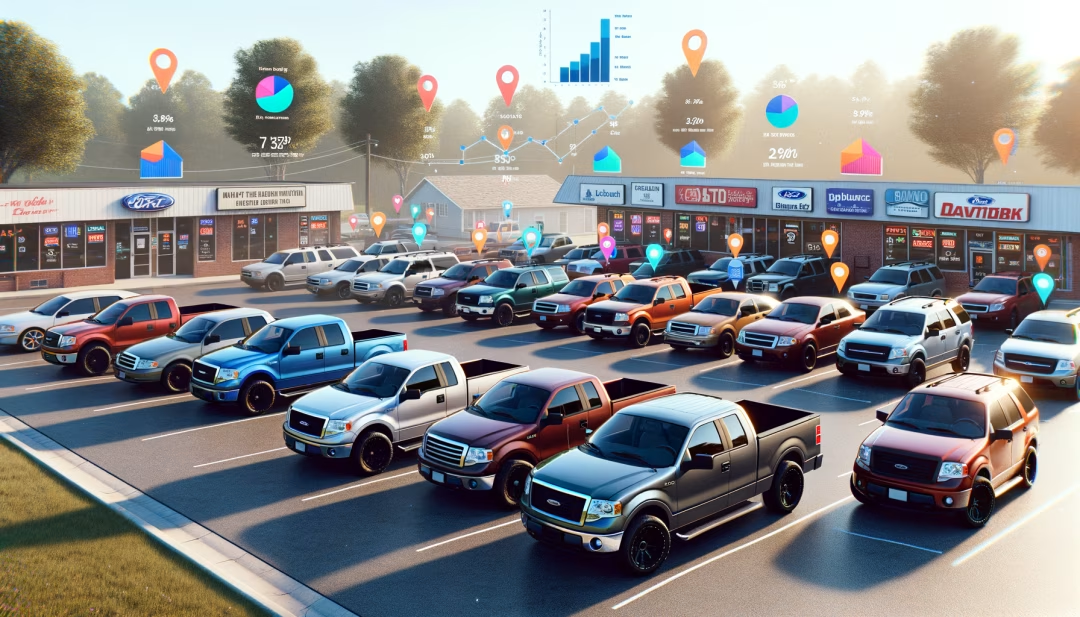
Bertie County is a rural market in Eastern North Carolina with practical demand for reliable transportation that handles commuting, farm and trade work, and family needs. That demand skews toward pickups, midsize and full size SUVs, and efficient sedans. You will also see solid interest in compact SUVs due to value, higher seating position, and cargo flexibility. Because inventory flows in from larger metros and regional auctions, prices often reflect broader state trends but can shift as supply tightens in adjacent counties.
Exact pricing changes week to week, but these practical bands describe what many Bertie shoppers target. Use them as starting points. Always compare trim, features, history, and mileage before finalizing value.
In rural counties, condition can vary more than price. A clean service history and verified ownership records often add more real value than an aggressive asking price without documentation.
Days on lot measures how long a vehicle has been listed for sale. It is a top signal for negotiation room. Fresh arrivals with popular specs often sell near asking, especially if they are hard to source. Once a unit passes 30 to 45 days, sellers generally become more flexible, depending on season and replacement costs. If the vehicle is over 60 days on lot, compare recent sales and ask for a written out the door quote. Older inventory is more likely to include reconditioning and pricing adjustments that open the door to savings.
Seasonality matters. Tax refund season in late winter and early spring can boost demand for budget priced sedans and smaller SUVs. Summer often brings more family SUVs to market as owners trade before trips. Year end can be productive for buyers seeking trucks, as dealers manage inventory positions. Weekdays and the last few days of a month may provide better time with staff to review records and pricing calmly. If you see a vehicle that perfectly matches your needs, do not wait solely for the calendar. Good matches move quickly in a smaller market.
Mileage alone does not tell the whole story. Maintenance and ownership history, driving conditions, and model reputation weigh heavily. That said, many Bertie buyers aim to stay below 100,000 miles for trucks and SUVs unless the service records are outstanding. Tech features that improve safety and convenience add value, but prioritize fundamentals first: engine health, transmission performance, brakes, tires, suspension, and frame integrity.
Use this quick method to compare two or more candidates side by side. Assign a 1 to 5 score for each item and total it at the end. The highest total is often the best long term value, even if the price tag is slightly higher.
Bring a small flashlight and a phone. Aim for a cold start if possible. A short but focused inspection can save time and money.
Your market research pays off most when paired with a clear budget. Estimate monthly comfort, down payment, and insurance before you shop. Prime credit buyers can compare rates across local lenders and credit unions. If you are building or rebuilding credit, second chance programs may help you secure a reliable vehicle within a manageable payment range. For statewide finance guidance, review these resources: Used Car Financing Wake NC, Used Car Financing Durham NC, and Second Chance Auto Financing Wilson NC.
Market dynamics vary by county. Urban hubs often move higher volumes and cycle inventory faster, while rural counties reward clean history and well maintained equipment. Review these snapshots to round out your perspective and set expectations when cross shopping nearby areas.
Many buyers here need a single vehicle to handle daily errands and weekend work. If you tow or haul occasionally, consider midsize pickups or body on frame SUVs with factory towing packages. For mostly paved driving with family cargo, a reliable compact or midsize SUV with modern safety can be a better value. If you drive long rural routes, evaluate highway comfort and driver assistance features like lane keeping assist and adaptive cruise.
This page summarizes patterns observed across statewide data sources, regional auction trends, and dealer experience with rural Eastern North Carolina buyers. It is designed for education and planning, not as a guarantee of price or availability. Always confirm equipment, condition, title status, and final pricing in writing. Availability, interest rates, taxes, and fees change without notice.
If you shop across county lines, these nearby research pages can help you compare supply and pricing momentum before you schedule test drives: Used Car Market Research Hertford NC, Used Car Market Research Halifax NC, and Used Car Market Research Washington NC. For a broad statewide view, browse Guilford, Forsyth, and Buncombe.