Make smarter car buying decisions with local, data driven insights for Clay County North Carolina. This market research guide helps you compare real world prices, availability, and ownership costs across the used car landscape in and around Clay County. Explore which body styles and brands hold value in our mountain region, what mileage and model year combinations deliver the best value, and how seasonality influences inventory and pricing. You will also find guidance on verifying vehicle histories, estimating trade in values, and aligning financing with your monthly budget. If you are cross shopping nearby counties, we include quick links so you can compare trends across Western North Carolina at a glance. Use this page as your local compass to narrow choices and confirm a fair price before you visit a lot or schedule a test drive.
Clay County has unique demand patterns driven by mountain roads, outdoor lifestyles, and seasonal tourism. That means compact SUVs, all wheel drive crossovers, and reliable trucks often move quickly when priced right. Use the strategies below to spot great values, confirm a car’s condition, and plan ownership costs for the full term you expect to keep the vehicle.
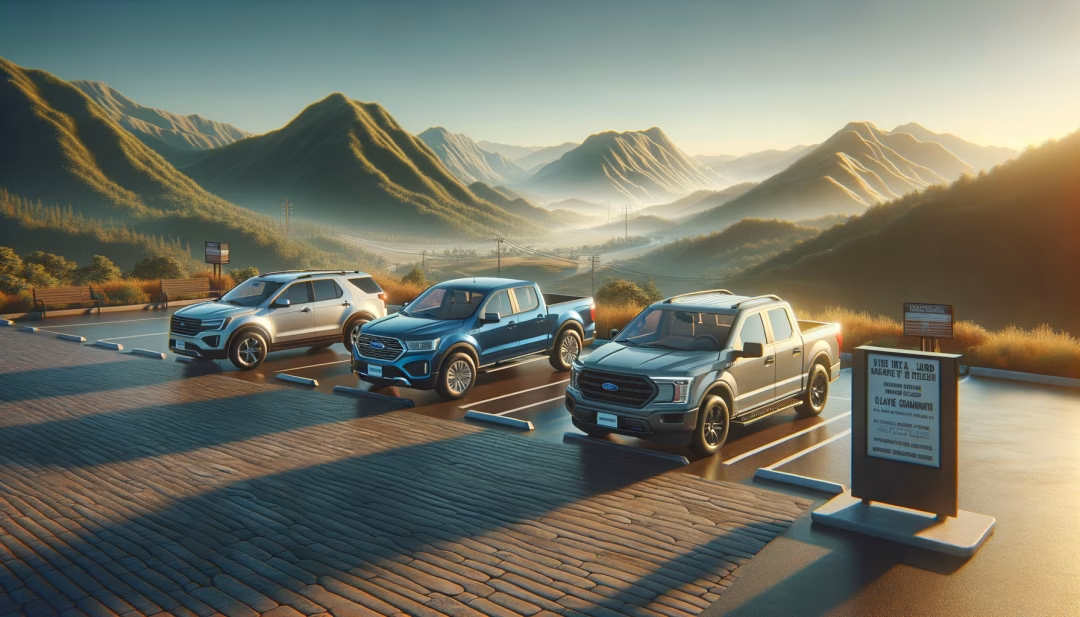
Clay County shoppers often prioritize dependable traction, towing capability for small boats and trailers, and cabin space for gear. These needs influence which models command stronger prices and how fast certain vehicles sell. Understanding local demand, inventory cycles, and condition factors will help you identify value quickly and avoid overpaying.
In Western North Carolina, compact and midsize SUVs with all wheel drive, reliable pickups, and fuel efficient commuter cars are top sellers. Early spring through late summer typically brings more listings and faster turnover due to travel, outdoor activities, and graduation season. Late fall can offer selective price softening as sellers seek to move inventory before winter. Monitor days on market and price reductions to time your purchase.
To confirm a fair price, compare at least three to five similar vehicles within 150 miles. Match year, trim, drivetrain, options, mileage, and condition as closely as possible. Record asking prices, days on market, and whether the listing price has dropped. Use that mini data set to estimate a realistic value range and plan your negotiation strategy. Prioritize vehicles with documented maintenance and clean titles to minimize future risk.
Mileage and age influence value, but condition and service records often matter more in the mountains where driving can be demanding. A well maintained higher mileage SUV may be a safer buy than a lower mileage unit with poor service history. Aim for vehicles with consistent oil changes, timely brake and tire care, and any required timing belt or transmission services completed. Inspect underbody for rust, check for abnormal tire wear, and scan for warning lights.
Review a third party history report and match the VIN on the dashboard and door jamb to the report and title. Confirm no salvage, rebuilt, flood, or lemon branding. A minor accident with quality repair is not necessarily a dealbreaker, but multiple accidents, structural damage, airbag deployment, or inconsistent odometer readings are major red flags. Look for long term single owner vehicles and note emission or inspection records when available.
Your monthly affordability should include payment, insurance, fuel, tires, maintenance, and registration tax. Vehicles with specialty tires or premium fuel can raise annual costs. In mountain regions, tires and brakes may wear faster due to elevation changes and winding roads. Estimate these items over your expected ownership window and compare two or three models to see which delivers the best cost per mile.
If you plan to finance, align term length with the vehicle’s expected reliability horizon. Many buyers aim to keep a used vehicle for five to eight years. Longer terms reduce monthly cost but can raise total interest. Prequalification helps set a firm budget before you shop. Compare rate tiers, down payment effects, and options for customers building credit.
For trade in estimates, gather maintenance records, clear out personal items, and address simple cosmetic fixes. Obtain two or three dealer appraisals and compare to private sale values. A trade in can simplify the purchase by reducing taxable amount and streamlining paperwork. Private sale may net slightly more money but demands time for marketing, screening, and test drives.
Franchise and independent dealers typically provide reconditioning, inspection, and help with taxes and titling. Private sellers may offer lower prices but have limited recourse and less documentation. Decide which route matches your risk tolerance and time constraints, then apply the research steps above in either channel.
If you are open to shopping outside Clay County, compare pricing and inventory in neighboring and regional markets. Rural counties can offer well maintained vehicles with lower mileage, while larger counties often have broader trim selections and color choices. Reviewing several markets can reveal price outliers and help you spot excellent values quickly.
Apply the criteria above to live inventory. Start with vehicles that match your must have features and fall within your target price range. Track each unit in a simple spreadsheet and record VIN, trim, mileage, price changes, days on market, and notes from any contact with a seller or dealer. This approach helps you stay organized and ready to act when a great option appears.
If you are new to the process or need a refresher, our regional buying guides can help you confirm a budget, evaluate features, and compare trim levels. You can also reach out to our team with questions about documentation, taxes, and registration in North Carolina.
Focus on well documented vehicles that match your daily driving needs. Verify history, inspect carefully, and benchmark prices across multiple nearby markets. Calculate total ownership cost before you fall in love with a specific model. Stay patient, track listings, and be ready to move when a unit fits your checklist and price target.